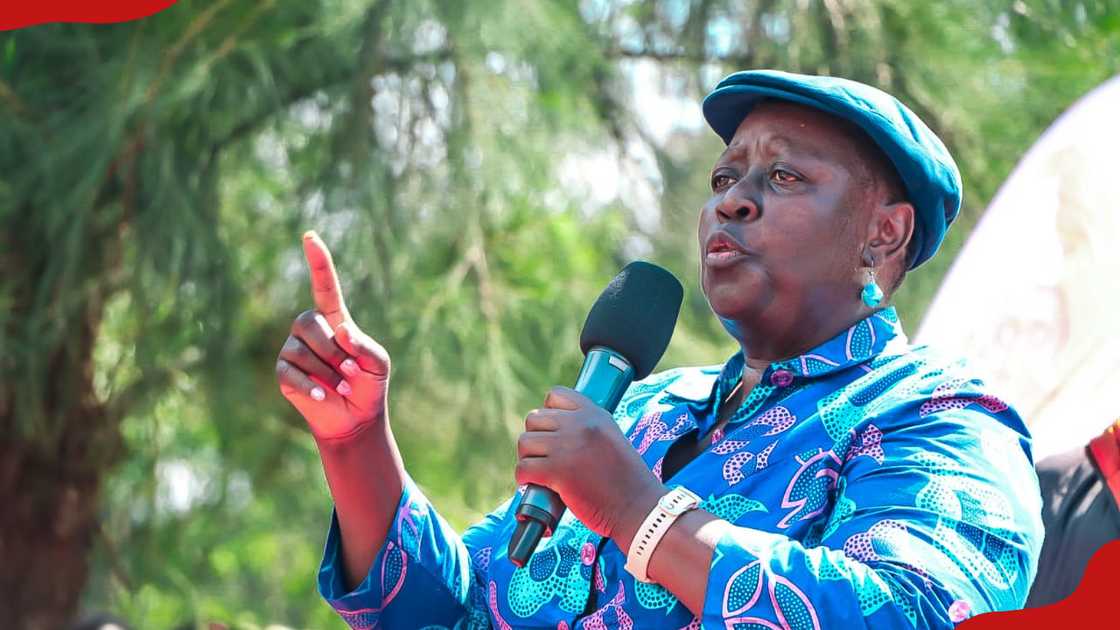






From MLK to Mandela, peaceful protests have toppled giants. Kenya’s youth have more power than they think.
MLK stands for Martin Luther King Jr, one of the most iconic and influential leaders of the American civil rights movement.
Across Kenya, the streets are once again alive with resistance. From major to rural towns, chants echo in defiance of a system that seems to have forgotten its people. But as tear gas fills the air and riot police line up with shields and batons, a powerful truth emerges: peaceful protest is not weakness — it is strategic, courageous, and world-changing.
Peaceful resistance has been the engine of some of the most significant political transformations in history. From civil rights in the United States (US) to anti-apartheid struggles in South Africa, movements led by ordinary people — students, mothers, and workers — have shifted the course of nations without ever firing a bullet (Chenoweth & Stephan, Why Civil Resistance Works, 2011).
Today, Kenya’s youth are standing up against corruption, inequality, and oppression. As they chant “Reject bad governance”, they are writing the next chapter in the global story of peaceful defiance. And they are not starting from scratch. Below are ten powerful tactics — drawn from historic movements around the world — that have toppled regimes, reclaimed dignity, and sparked revolutions.
Sit-in: Occupy, disrupt
In 1960, four Black students in North Carolina sat at a whites-only lunch counter and refused to leave. That small act of resistance sparked a nationwide wave of sit-ins across the U.S. South and became a cornerstone of the civil rights movement.
In Kenya today, peaceful sit-ins in government offices, parliament grounds, or county headquarters can halt business as usual, forcing leaders to face the demands of the people without violence.
Economic pressure as a protest
Mahatma Gandhi’s Salt March in 1930 protested British salt taxes. But more powerful was the boycott of British goods, which hit colonial coffers and drew international attention. Economic noncooperation became a weapon of the masses.
Citizens can boycott companies or institutions complicit in state violence or corruption. Even withdrawing money from banks linked to corrupt officials sends a message.
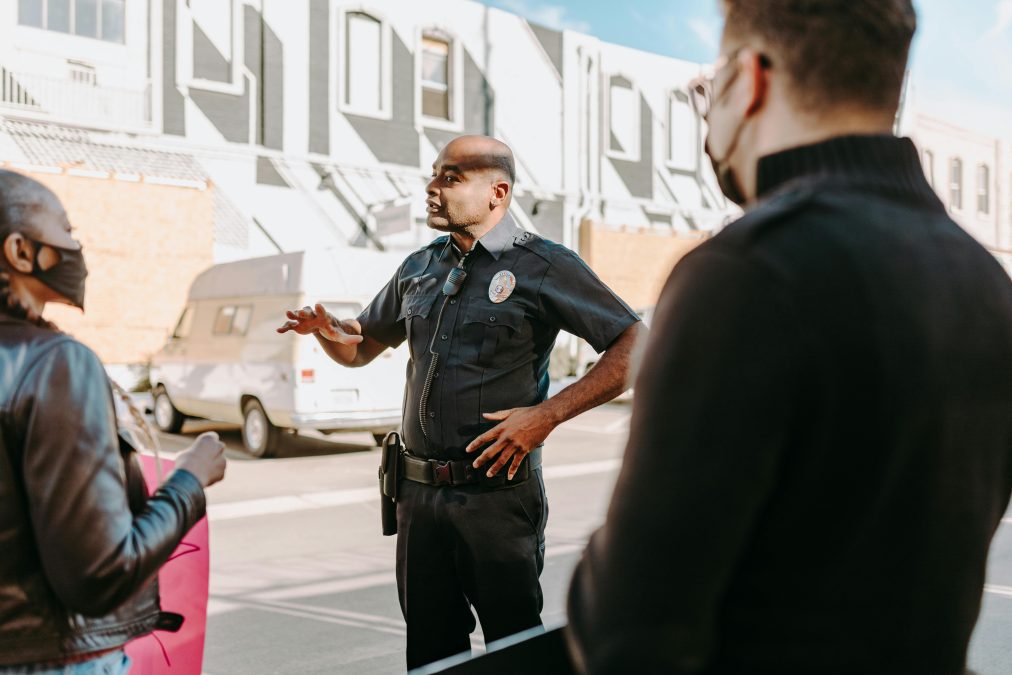
March power in numbers
From the March on Washington in 1963, where MLK delivered his iconic “I Have a Dream” speech, to Kenya’s Saba Saba protests of the 1990s, mass marches showcase unity and scale.
Why it works: A peaceful, well-organized march demonstrates discipline and popular support. It’s hard to ignore 100,000 people walking in silence or song toward the seat of power.
Dressing the revolution
The orange shirts in Ukraine’s Orange Revolution, also known as the Maidan Revolution. The yellow umbrellas in Hong Kong. The black armbands worn during apartheid. Clothing has always been a silent but visible form of protest.
Protesters could wear all white for peace, black for mourning, or tape their mouths shut to symbolise being silenced. Symbols travel far — even when voices are suppressed.
Human chain unity motion
In 1989, nearly two million people formed a human chain across Estonia, Latvia, and Lithuania in protest of Soviet rule — an act that captured global imagination and hastened independence.
A human chain from Parliament to State House, or across Nairobi CBD, could become a peaceful yet powerful visual of nationwide solidarity.
Protest through creativity
From protest songs to street murals, art speaks to the heart where politics often cannot. In apartheid South Africa, music and theatre told the stories the media would not. Today, TikTok, Instagram, and graffiti walls have become protest arenas.
Protesters are already using memes, poetry, and videos. Expanding this into public art installations, flash mobs, or protest fashion can further inspire and unite.
The silent protest
In 1917, over 10,000 African Americans silently marched in New York against racial violence. No chants. No shouting. Just a quiet show of collective pain and power.
Imagine thousands marching through Nairobi, mouths taped shut, holding placards with nothing but the Constitution on them. Silence can be deafening — especially in an era of chaos.
Stay-away strike
During apartheid, South African workers would stay home in coordinated silence. No work, no shopping, no school. The streets would empty — and so would government revenue.
A national “shutdown” day can cost those in power more than a protest rally ever could. Nonviolent disobedience that hits the economy grabs attention fast.

Citizen journalism
In Myanmar, Iran, and Sudan, protesters used their phones to livestream abuse and counter government propaganda. Control the story, control the movement.
TikTokers, Twitter/X users, and grassroots content creators are already leading the charge. Teach more youth how to record safely, document injustice, and publish the truth before it’s buried.
Solidarity beyond borders
The Arab Spring. #EndSARS. #BlackLivesMatter. #FeesMustFall. Kenya’s movement can link with others to build global attention and pressure.
Tag global activists. Share with African diasporas. Submit stories to international media. When the world watches, repression becomes harder to hide.
The police may wear bulletproof vests. The government may build walls and wield guns. But none of that can stop an idea whose time has come. Peaceful resistance doesn’t mean passive obedience. It means strategic, courageous, organised disruption of injustice.
Kenya’s youth have inherited a rich legacy of resistance — not just from abroad, but from their soil. From the freedom fighters to the Second Liberation heroes, every major shift in Kenyan history was sparked by people who dared to say enough is enough and did so without violence.