






In a move poised to reshape Kenya’s energy landscape, the rural expanse of Bondo, Siaya County, is now firmly in the spotlight as the likely host for the nation’s inaugural nuclear power plant.
The ambitious project, slated to cost a colossal Ksh500 billion, aims for groundbreaking in 2027 and a commissioning by 2032-2034.
While government officials, including Energy Cabinet Secretary Opiyo Wandayi and veteran politician Raila Odinga, champion the project as a legacy for President William Ruto and a critical step towards industrialisation, the pivot to nuclear energy brings both immense promise and formidable risks.
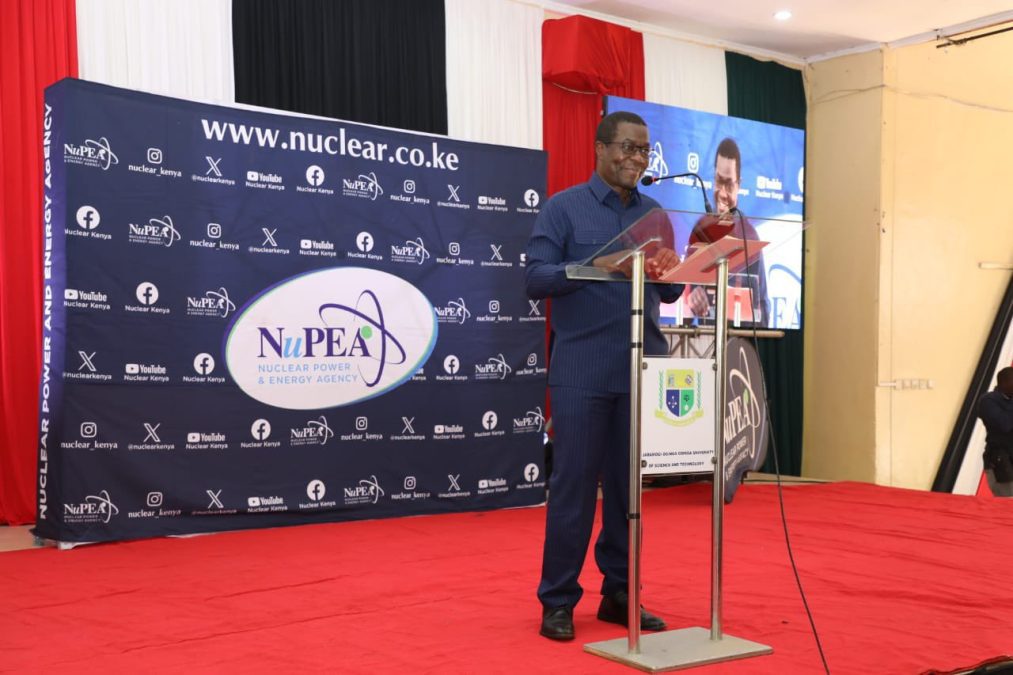
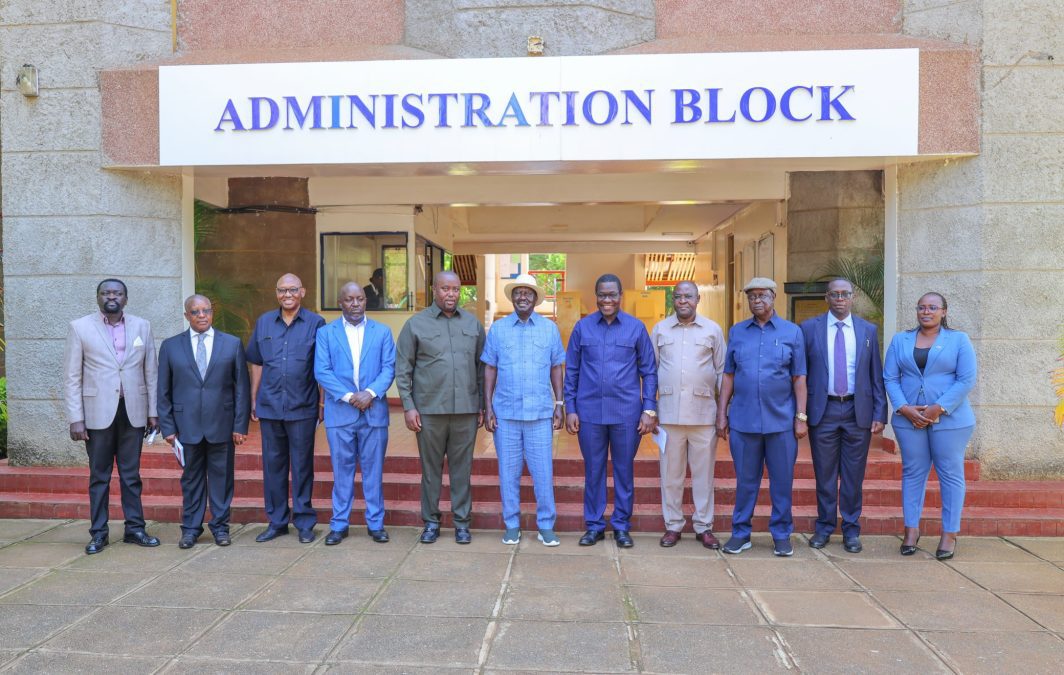
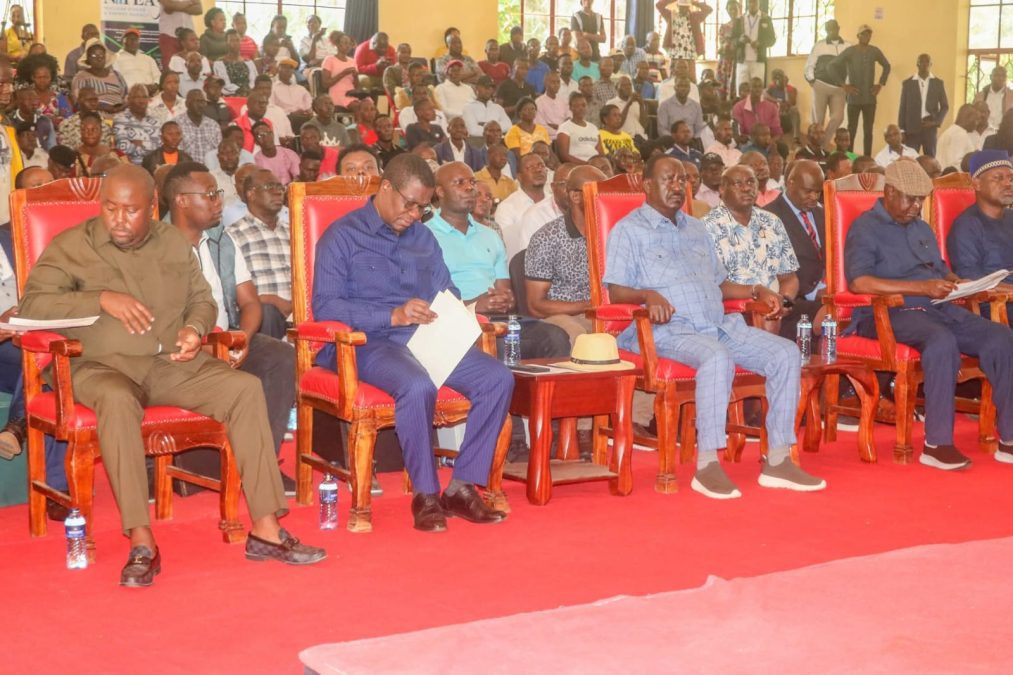
Speaking at a nuclear energy stakeholder engagement at Jaramogi Oginga Odinga University on June 27, 2025, Raila said Kenya must embrace nuclear power to achieve long-term energy sustainability.
The forum was held under the theme ‘Partnering for a Sustainable Energy Future: Kenya’s Nuclear Power’.
“Diversifying our energy sources and maintaining a clean environment are critical to our development agenda as a nation. Part of the reason this country has not been able to generate and sustain well-paying jobs is the cost of energy,” Raila said.

“A number of nations, including here in Africa, have reached the decision that the use of nuclear energy to generate electricity is one of the cornerstones of sustainable development,” he added.
Energy Cabinet Secretary Opiyo Wandayi said nuclear energy has been identified as an essential power source that will not only drive the country’s industrialisation agenda, but also deliver vision 2030.
He said the government under the leadership of President William Ruto was fully committed to the realisation of a robust, sustainable energy.
“Kenya remains committed to implementing the nuclear power program, while adhering to the highest possible international standards,” Wandayi remarked.
Opposition in Kilifi
The decision to site the nuclear plant near Lake Victoria in Siaya follows fierce opposition in Kilifi County, forcing the Nuclear Power and Energy Agency (NUPEA) to intensify its civic engagement.
The high-level stakeholders’ forum at Jaramogi Oginga Odinga University of Science and Technology (JOOUST) underscored the government’s renewed commitment to consultation, but the shadow of past rejections and the inherent complexities of nuclear power linger.
Here are five key gains and dangers as Bondo potentially opens its doors to Kenya’s nuclear future:
The gains
1. Energy Security for industrialisation
Kenya currently produces around 3,400 megawatts of electricity.
NUPEA aims to significantly bolster this to 60,000 megawatts annually to support industrialisation and Vision 2030.
A nuclear plant provides a stable, reliable, and high-capacity baseload power that current renewable sources like hydro (prone to droughts), wind, and solar (intermittent) cannot consistently guarantee.
This consistent power is vital for heavy industry, manufacturing, and reducing persistent blackouts.
2. Affordable, clean energy
While the initial investment is enormous, nuclear power, once operational, can offer lower and more stable operational costs compared to fossil fuels, insulating the country from volatile global oil prices.
Furthermore, it is a low-carbon emission energy source, aligning with the country’s ambitious climate goals and reducing reliance on dirty energy.
The Energy CS has highlighted that affordable power will reduce operational expenses for businesses, enable longer operating hours, and allow MSMEs to compete more effectively, driving job creation and economic growth.
3. Job creation
The construction phase alone of a Ksh 500 billion project is expected to create thousands of jobs, from skilled engineers and technicians to local labourers.
NUPEA CEO Justus Wabuyabo projects substantial local employment during construction and beyond.
The partnership with JOOUST is designed to foster a local workforce through specialised training, positioning Bondo as a hub for nuclear energy expertise.
Surrounding communities could also see a boost in hospitality and housing demand.
4. Technological boost
Hosting a nuclear plant necessitates the development of advanced technological capabilities and a robust regulatory framework.
Collaborations with countries like the United States, China, and South Korea, which have signed cooperation agreements, promise knowledge transfer and capacity building.
JOOUST’s involvement signifies its emergence as a critical research and training centre, pushing Kenya to the forefront of nuclear science and engineering in East Africa.
5. Power export potential
With a significant increase in generation capacity, Kenya could transition from solely meeting domestic demand to becoming a regional energy exporter.
This would bolster economic ties with neighbouring East African countries and position Kenya as a major player in the continent’s energy landscape, potentially exporting both power and expertise.
The dangers
1. Financial burden, debt risk
The estimated cost of Ksh305 billion to Ksh500 billion is staggering for Kenya, a nation already grappling with substantial debt and a slowing economy.
Critics question the financial prudence of such an undertaking, warning of potential cost and time overruns common in nuclear projects globally.
Securing funding, likely through public-private partnerships and international loans, places a significant long-term financial obligation on the Kenyan taxpayer.
2. Safety concerns
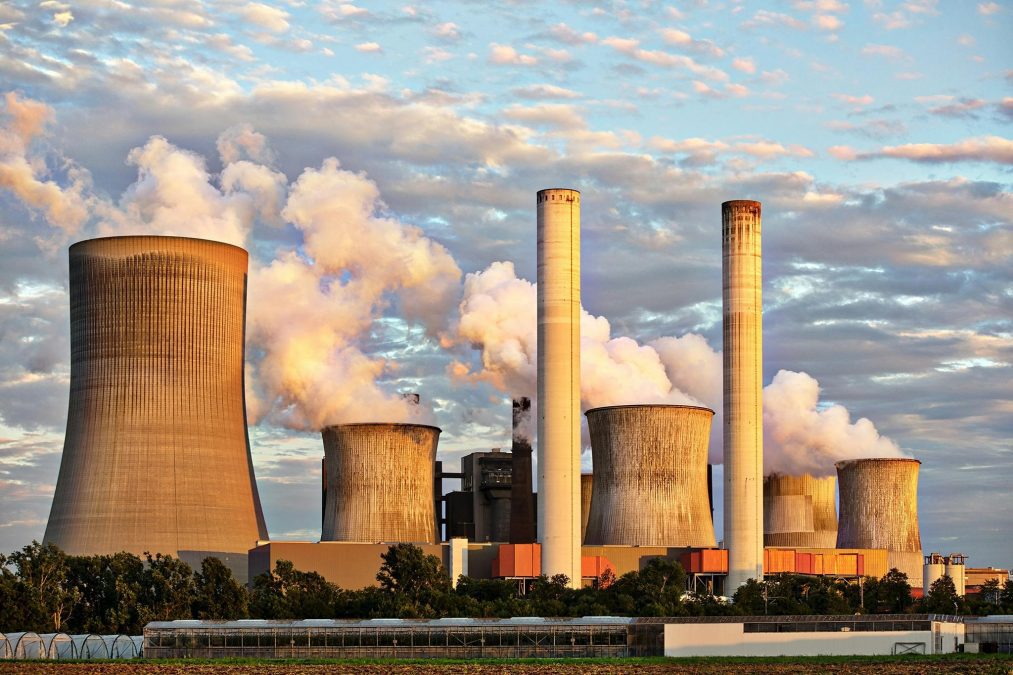
The spectre of nuclear disasters like Chernobyl in Ukraine or Fukushima in Japan looms large in public perception.
While modern nuclear plants are designed with multiple layers of safety, the risks, however small, are catastrophic.
Critics raise valid questions about Kenya’s preparedness for a nuclear incident, including its emergency response capabilities, healthcare infrastructure, and the ability to manage potential contamination, especially in a country prone to natural disasters.
3. Environmental impact
Proximity to Lake Victoria, essential for cooling, also raises concerns about thermal pollution and the discharge of treated water.
More critically, the long-term storage and disposal of radioactive waste remain a global challenge.
Kenya would need to establish robust and secure plans for managing this hazardous material for thousands of years, a burden that would extend far beyond the plant’s operational life and potentially impact future generations and fragile ecosystems.
4. Community displacement
While NUPEA pledges civic engagement, the experience in Kilifi showed intense resistance driven by fears of displacement, loss of ancestral lands, and disruption to traditional livelihoods, particularly fishing and tourism.
The Bondo area’s reliance on Lake Victoria for fishing and other activities means similar concerns about potential contamination or access restrictions could arise, necessitating clear and equitable compensation and resettlement plans.
5. Security risks
Nuclear facilities are high-value targets, making them susceptible to sabotage or even terrorist attacks.
Ensuring impenetrable security measures is paramount.
Furthermore, reliance on imported uranium for fuel ties Kenya into complex global supply chains and geopolitical dynamics, potentially exposing it to external pressures or disruptions from countries controlling enriched uranium supplies.
As the sun sets over Lake Victoria, casting long shadows over Bondo, Kenya stands at a crossroads.
The promise of abundant, stable power is tantalising, a vision of industrial might. Yet, the price of this ambition, both financially and in terms of potential risks, demands the utmost transparency, meticulous planning, and unwavering commitment to safety, lest the gains be overshadowed by unforeseen perils.
Martin Oduor
The alchemist of literary works – a master wordsmith with a proven record of transforming the raw materials of language into a rich tapestry of emotion, thought, and imagination.