




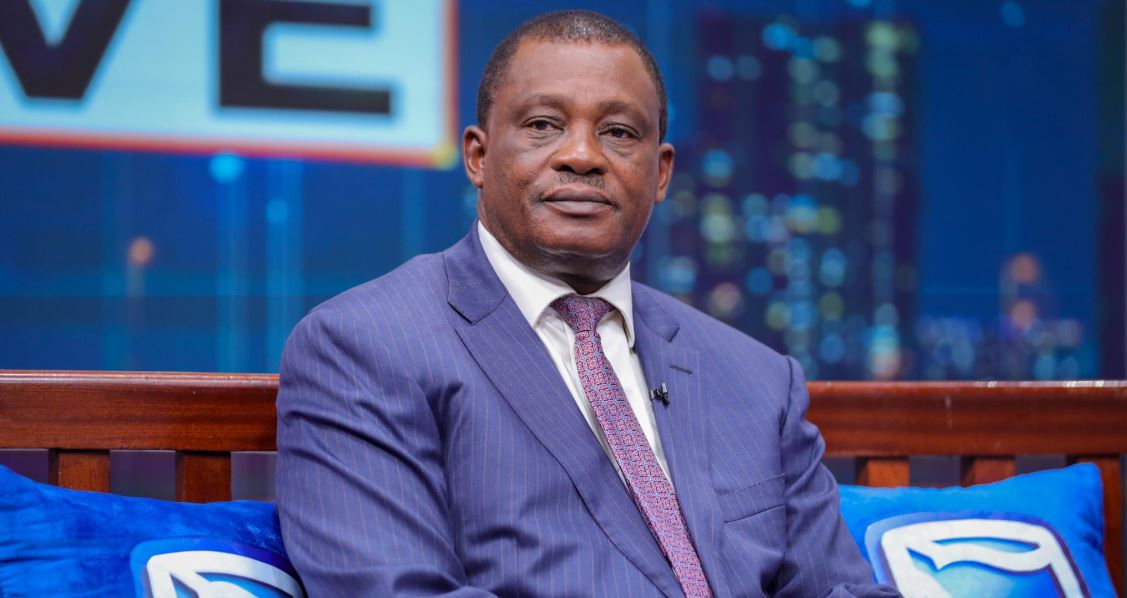
 Former Public Service Cabinet Secretary Justin Muturi has lauded former President Uhuru Kenyatta’s leadership style, sharply contrasting it with that of President William Ruto.
In a candid interview on Tuesday, June 24, Muturi praised Uhuru as a statesman who governed with integrity, dialogue, and inclusiveness- values he claimed are missing in the current administration.
“I will always respect former President Uhuru Kenyatta,” Muturi remarked. “He was firm but fair, a leader who listened, embraced differing views, and never ruled with fear. We’re still friends to this day, and I value that bond.”
In stark contrast, Muturi slammed President Ruto’s leadership, accusing him of turning a deaf ear to advice and overseeing a government plagued by corruption.
“But I deeply regret ever supporting William Ruto. A dictator. Deaf to advice. Drenched in corruption. Kenya didn’t deserve this!” he declared.
Muturi Backs People’s Restorative Justice Commission
Away from the politics of the day, Muturi threw his full support behind the newly launched People’s Restorative Justice Commission (PRJC), describing it as a courageous and much-needed effort to help Kenyans confront historical injustices and chart a path toward national healing.
Muturi was officially unveiled as one of the commissioners alongside Makueni Senator Dan Maanzo during the launch event at Ufungamano House in Nairobi. The ceremony was spearheaded by opposition leaders, led by Wiper party boss Kalonzo Musyoka.
He described the PRJC as a citizen-driven initiative rooted in justice, reconciliation, and constitutional accountability.
“My colleagues in opposition sat and agreed that there is too much trauma and too many atrocities and that we explore ways of addressing various issues that bedevil this country,” Muturi said.
A Bold Step Towards National Healing
Muturi emphasized that the PRJC represents a mature and non-partisan act of leadership by opposition figures. He described the initiative as a deliberate shift away from politics-as-usual toward a deeper commitment to social justice and collective healing.
He acknowledged the difficult road ahead for the commission, noting that its mission is to help Kenya reckon with its past and lay a foundation for a more just and inclusive future.
“But I want to observe that all societies emerging from a history of oppression and human rights face a challenge of reconciling their past,” he said. “This is not new and has happened in various parts of the world. A people-led commission seeking to restore justice among citizens.”
According to Muturi, the PRJC provides a long-overdue framework for confronting Kenya’s deep-seated wounds, holding institutions accountable, and promoting genuine reconciliation.
With the commission now officially operational, Muturi expressed hope that it will foster a national conversation centered not on division, but on healing, truth, and shared responsibility for the country’s future.