



PHOTO/@NelsonHavi/X
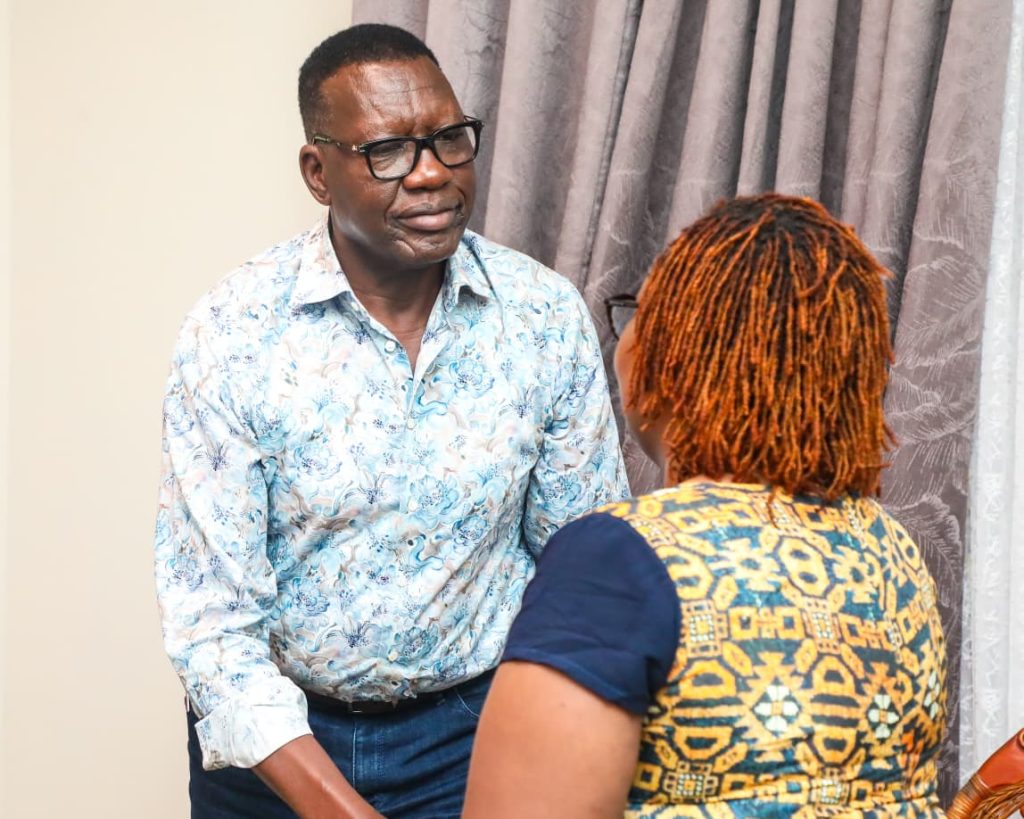
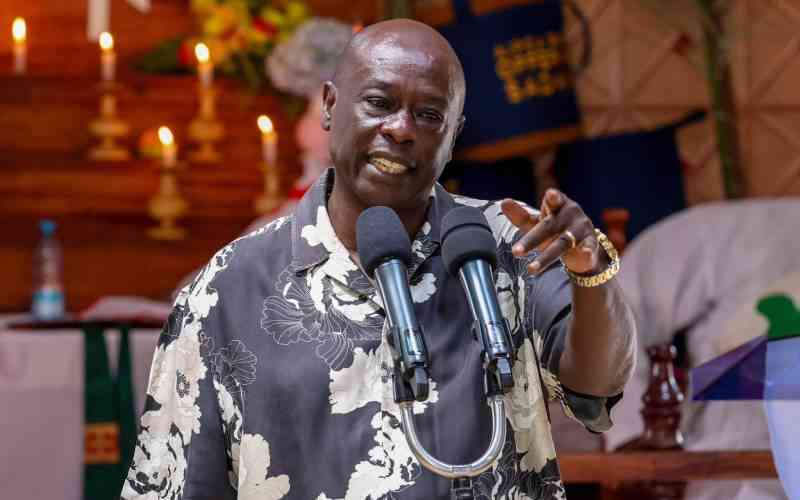
Former Law Society of Kenya (LSK) president Nelson Havi has faulted President William Ruto for failing to demand the resignation of Deputy Inspector General Eliud Lagat in the wake of the death of blogger Albert Ojwang’.
Speaking on K24 TV on June 17, 2025, Havi questioned the silence from the State House, noting the contrast between Ruto’s previous firm stance in 2022, when then-Inspector General Hillary Mutyambai and DCI boss George Kinoti exited office shortly after he took over, and the current delay in holding Lagat accountable.
“The responsibility of ensuring that this goal reaches full shore is that of the people of Kenya and/or of the president of the Republic of Kenya. In an ideal situation, what William Ruto would have done by now is to ask Eliud Lagat to present his resignation letter the way he asked of Kinoti and Mutyambai; anything less is not satisfactory.”

It’s disappointing
He described the president’s silence on the matter as “deafening and disappointing,” arguing it undermines public confidence in the government’s commitment to justice and accountability.
Ojwang’ died in police custody on June 7, 2025, days after he was arrested over a defamation complaint linked to DIG Lagat. An autopsy later revealed signs of torture and blunt force trauma, debunking earlier police claims that the blogger inflicted the injuries upon himself.
The revelation triggered a national outcry, with former Chief Justice David Maraga leading calls for Lagat’s arrest, citing credible evidence of his involvement in Ojwang’s illegal detention, torture, and murder.
Lagat stepped aside on June 16, 2025, citing public interest. However, Havi said the resignation came “too little, too late” and lacked the weight of a direct presidential directive.
“The damage has already been done, and the president’s failure to act decisively sends the wrong message,” he added.
He also amplified concerns raised by civil society and the judiciary regarding police reforms, enforcement of the rule of law, and leadership responsibility.
Havi’s remarks reflect a growing chorus demanding institutional accountability amid a surge of public discontent.
He stated that Ojwang’s case remains a litmus test for the Ruto administration’s resolve to deal with rogue officers and uphold human rights issues that continue to dominate national discourse.