






Every few seconds, someone somewhere needs blood, whether it’s for surgery, cancer treatment, childbirth complications, or accident recovery.
Yet in many countries, including Kenya, blood banks constantly struggle to meet demand. This reality makes blood donation one of the most meaningful and life-saving acts anyone can do.
This Saturday, June 14, marks World Blood Donor Day, a moment to honour those who give and to encourage more people to roll up their sleeves. But this isn’t just about today; it’s a timeless reminder of how one small act can mean everything to someone in need.
Why it matters
Blood cannot be manufactured. It has to come from donors, and a regular supply ensures hospitals are prepared for emergencies. But Kenya’s blood services are under immense strain.
National blood collection has dropped significantly, with the country gathering just 150,000 to 200,000 units annually, far below the estimated one million needed.
Behind this shortfall is a crisis in funding. Kenya’s blood transfusion services, once supported by major international partners, are now operating in limbo.
A Ksh2.7 billion gap emerged after the World Bank pulled back its support, and no new source has fully stepped in.
“Mobilisation of more than Sh2.7 billion is needed to avert a collapse of this critical service,” the ministry noted.
According to the Ministry of Health, unless urgent funding is secured, the system may grind to a halt.
This has a real, human cost. In many hospitals, family members and friends are often asked to donate blood for loved ones in critical condition because there are no reserves. In some cases, delays in accessing blood have turned treatable conditions into tragedies.
Benefits
Most people donate blood to help others, but the benefits don’t stop there. According to the World Health Organisation (WHO), giving blood also helps the donor.
It reduces iron overload in the body, encourages the production of new red blood cells, and provides a mini-health check in the process.
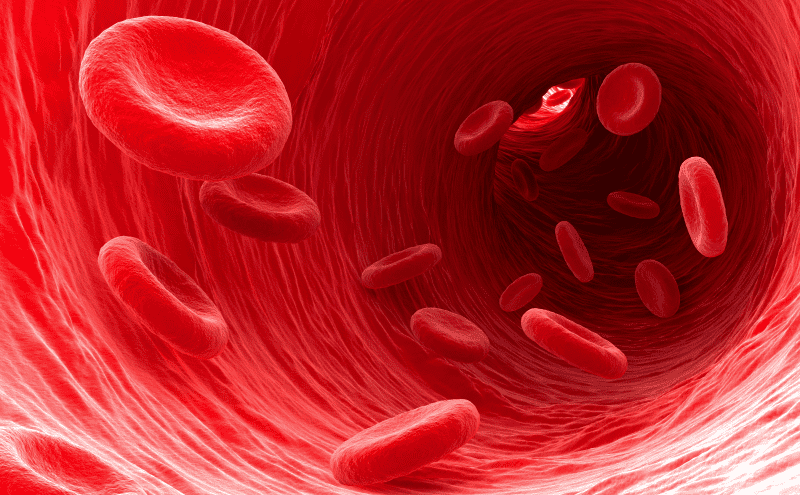
Many donors discover their blood type or underlying health issues through routine screening during donation.
More than anything, it offers something money can’t buy: a sense of purpose. Knowing you’ve helped save a life is profoundly rewarding.
The takeaway
You don’t have to be a doctor to save a life. Just 30 minutes of your time and a bit of courage can make the difference between life and death for someone else.
And while today is World Blood Donor Day, the need doesn’t end at midnight. It’s ongoing, constant, and waiting for you.
So, the next time you see a blood drive, consider walking in. Because even once, your blood can be someone else’s lifeline.