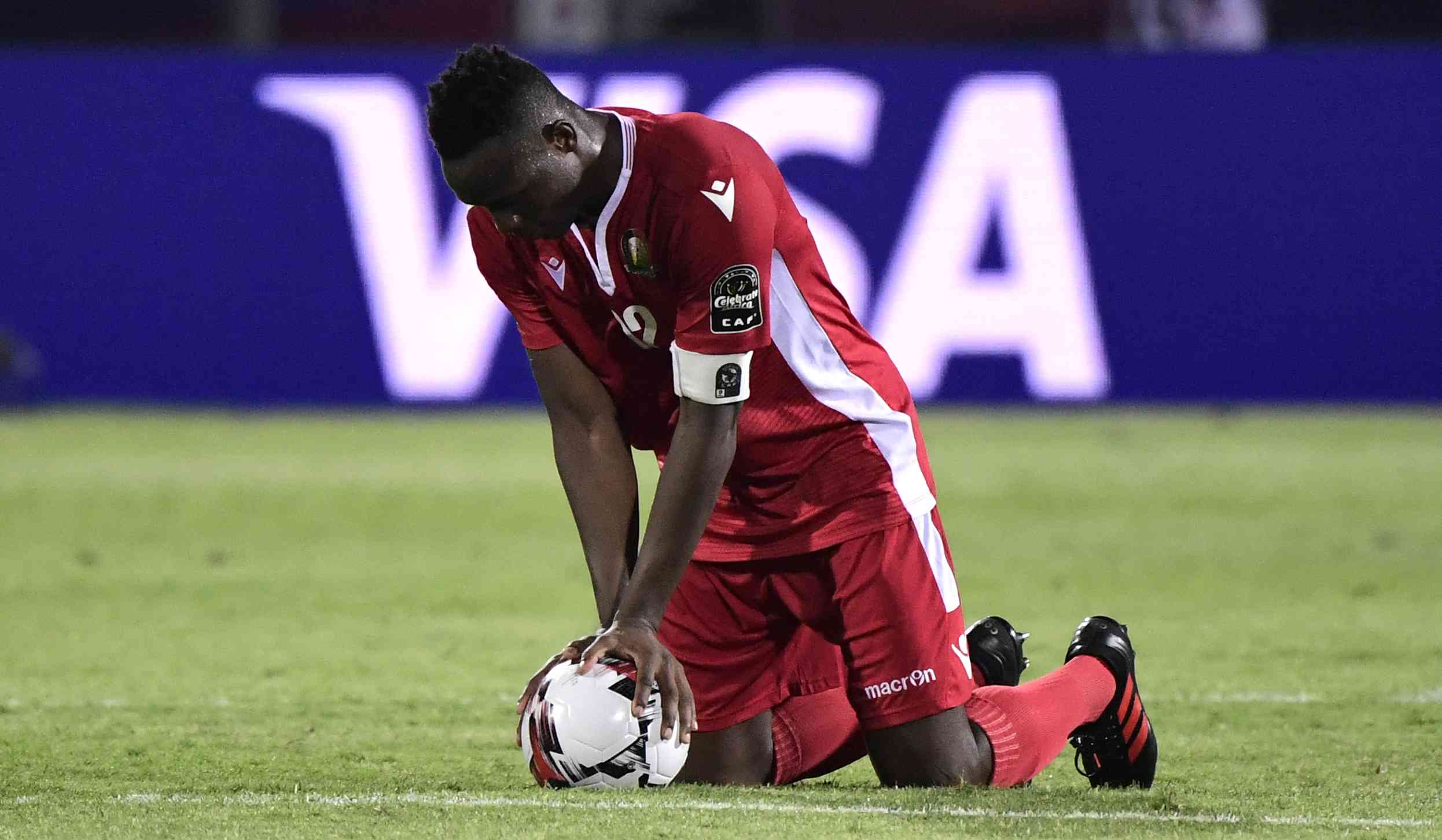





Men’s mental health is finally getting the recognition it deserves, but deep-rooted cultural conditioning still keeps far too many men silent.
Nairobi-based pastor and life coach Robert Burale has explored why men are hesitant to express emotion and vulnerability.
In a candid conversation with a local media station on the night of Friday, June 13, 2025, Burale said that from childhood, boys are often told, ‘Do not cry or man up,’ learning early on that expressing emotion is a sign of weakness.
He added that, unfortunately, some men continue to pass that message even though showing vulnerability can actually be one of their greatest strengths.
“If you ask men from a different age group, that is a common statement because from the age of five, they are told not to cry as boys because they are told showing their emotions is a sign of weakness,” Burale explained.
“Sadly, we still have some men telling men not to show emotion, but one of the greatest strengths in men is showing emotion and vulnerability.”
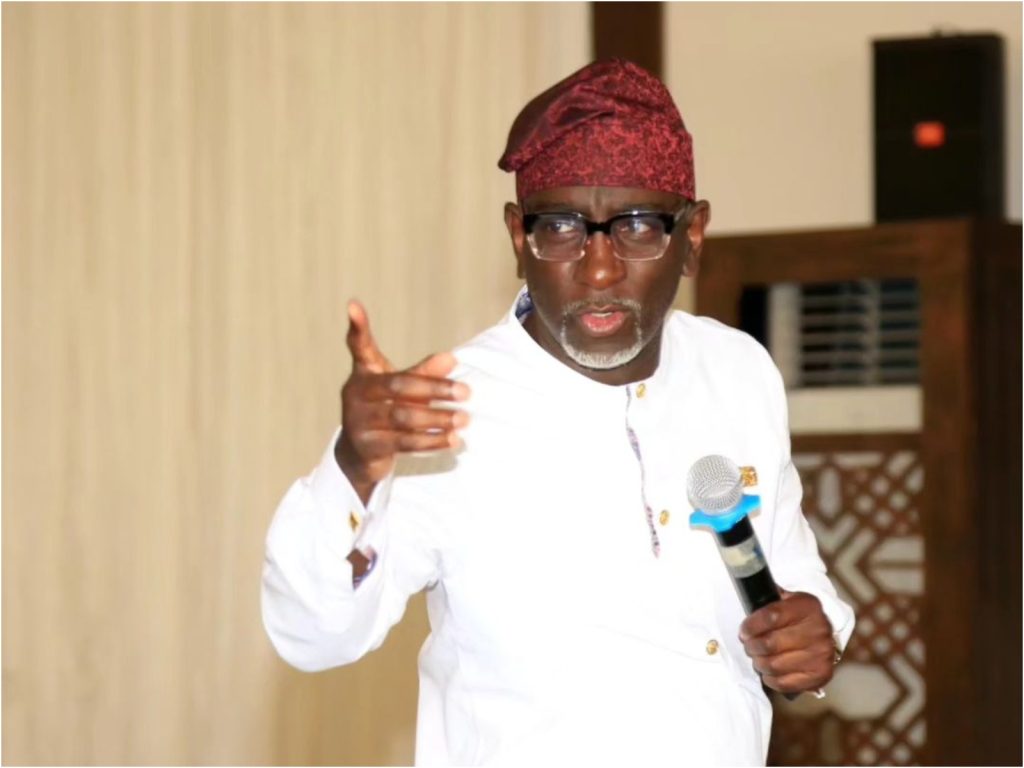
In addition, Burale stated that men also fear showing their emotions because they believe it threatens their power, having learnt that vulnerability and emotional openness have been used against them at some point.
He added that when someone exploits a man’s vulnerability, he typically recoils and shuts down completely.
“Men fear showing their emotions because they feel they are losing their power because, at some point in life, when a man shows a level of emotion and vulnerability, at some point it was used against him and the moment you do that to a man, he recoils and shuts up completely,” he said.
Men’s mental health awareness
June is Men’s Mental Health Awareness Month, a time dedicated to highlighting the unique mental health challenges men face and fostering open conversations to combat stigma.
This observance is crucial, as men are statistically less likely to seek help for mental health issues and are nearly four times more likely to die by suicide compared to women.
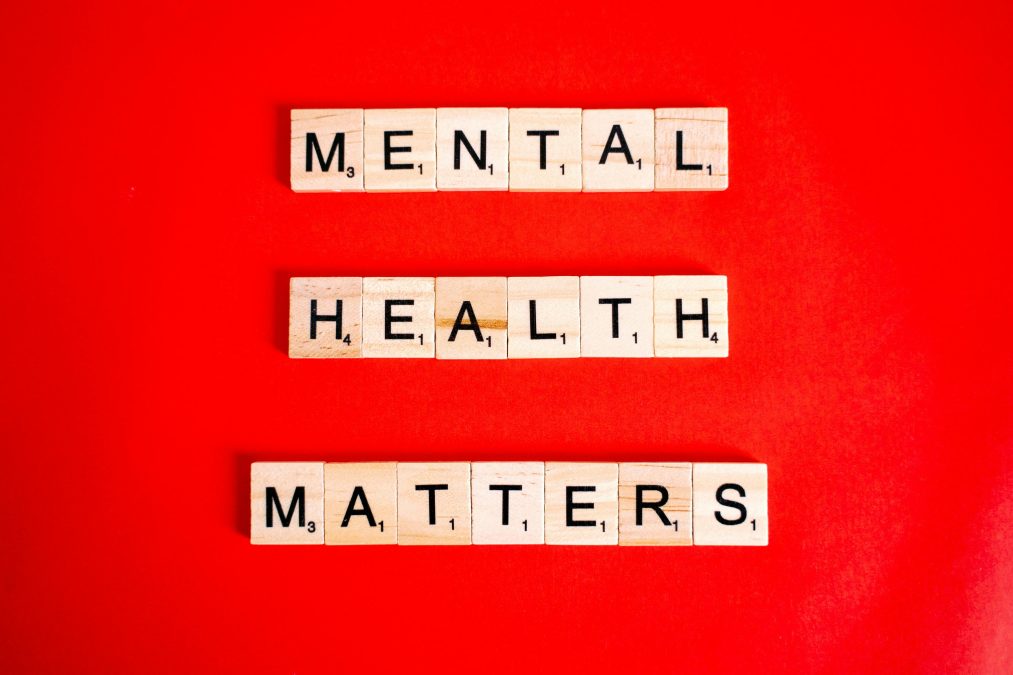
Despite growing attention, many men still feel compelled to hide their feelings. By raising awareness, especially during Men’s Mental Health Awareness Month, we challenge harmful norms, promote emotion-friendly environments, and encourage early interventions. Normalising conversations about mental well-being helps men recognise distress early, seek professional support, and adopt healthier coping strategies.
This cultural shift not only saves lives but also strengthens communities, celebrating vulnerability as a sign of resilience rather than weakness.