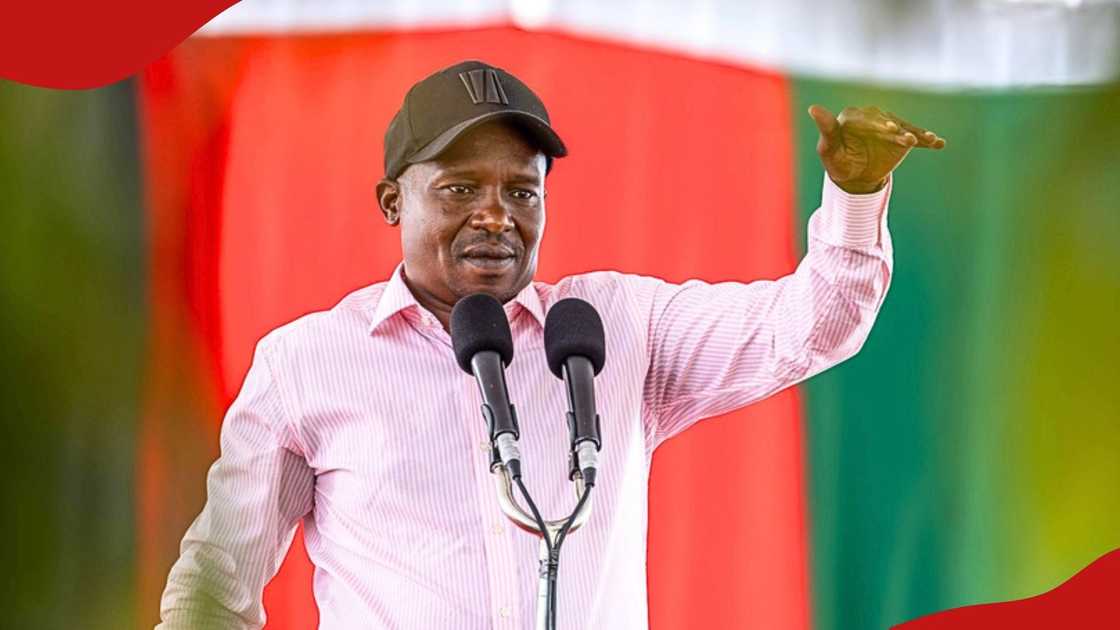






 Treasury Cabinet Secretary John Mbadi has defended a contentious proposal that would expand the Kenya Revenue Authority’s (KRA) powers, granting it access to personal and financial data of Kenyans.
The move, outlined in the proposed 2025 Finance Bill, seeks to bolster tax enforcement and address chronic revenue shortfalls.
At the heart of the proposal is a plan to repeal Section 59A(1B) of the Tax Procedures Act – a provision that currently shields individuals and businesses from being compelled to share customers’ personal data with tax authorities. Scrapping this section would give KRA authority to monitor sensitive financial records, such as bank statements and mobile money transactions, in a bid to catch tax cheats more effectively.
While the government insists this change is necessary, it has triggered public concern. Critics warn that expanding KRA’s powers could open the door to privacy violations, abuse of personal data, and a surveillance-style approach to tax collection.
Speaking during a live town hall on Citizen TV on Wednesday, Mbadi stood by the proposed changes, arguing they are essential to improve tax compliance and keep the government financially afloat.
“Our constitution is robust and protects Kenyan’s privacy but we must be alive to the fact that to run our country, we must pay taxes,” he said. “There are no two ways about it – it is compulsory.”
Public Spending Key to Voluntary Tax Compliance, Says Mbadi
He acknowledged the difficulty of relying on voluntary compliance, even among high earners, and admitted that human nature often leads people to understate their income.
“If it were up to us, even those earning well like me would not be honest in paying taxes. I will probably return 50–60 percent of what I am supposed to,” he confessed.
Mbadi pointed out that convenience often makes people avoid fulfilling their tax obligations unless strict enforcement is in place.
“People love convenience, especially where money is involved. If you just let Kenyans pay taxes at will without being followed up, they will not,” he said.
Despite the tough stance, Mbadi pointed out that real change will come from the government managing tax revenue responsibly. He argued that better public spending would earn citizens’ trust and naturally improve tax compliance.
“I think it is all about using the taxes well so that Kenyans love paying taxes, instead of feeling like they are being coerced to do so,” he explained.
To ease public fears, Mbadi clarified that KRA does not intend to dig into citizens’ private lives. Instead, the taxman only wants access to financial records from banks and financial institutions to verify tax declarations.