





Former Deputy President Rigathi Gachagua has today, on Monday, May 12, 2025, announced that he will soon release a statement on the 2025 Finance Bill.
He said he has not yet gone through the bill in detail but has delegated the task to his economic advisory team.
Once they complete their analysis and brief him on the key issues, he will take time to study the findings before giving his official position.
“I have given it to my team to study carefully and highlight the silent issues. Then I will go through their findings over the next several days and give my stand on the matter,” Gachagua said.
“I have also instructed my economic advisors to dig deep because the devil always lies in the details.”
Gachagua also criticised the direction of the 2025 budget, saying it appears to undermine devolution.
He noted that a large portion of the proposed budget has been allocated to security agencies such as the National Intelligence Service and the State Department for Internal Security, instead of being directed to county governments to support service delivery.
“This year’s budget looks like an attempt to weaken devolution. More funds have gone to security rather than to the counties. That is not the spirit of the Constitution,” he added.
This comes a year after Gachagua clashed with President William Ruto over the 2024 Finance Bill, which he opposed during a Cabinet meeting.
His dissent was later cited as one of the grounds for his impeachment. The president remarked at the time that Gachagua was a lone voice in the Cabinet, going against the collective position.
Cabinet approval
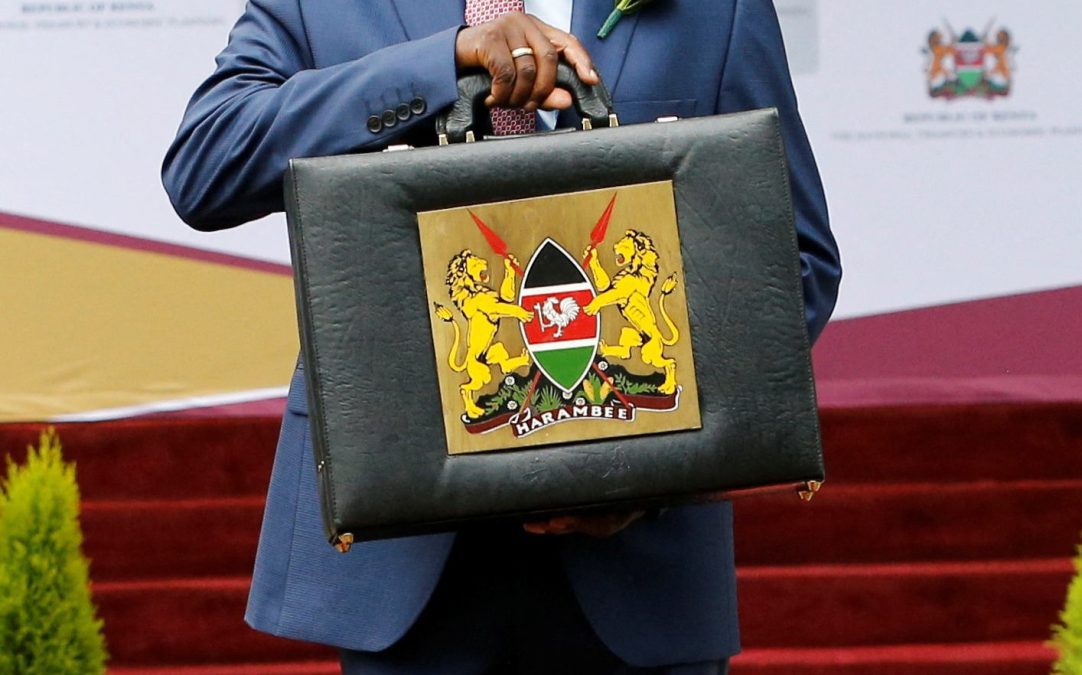
The 2025 Finance Bill was approved by the Cabinet on April 29 and tabled in the National Assembly on April 30.
According to the National Treasury, the bill proposes amendments to existing tax laws aimed at closing loopholes, improving refund systems, and supporting small businesses and retirees.
It does not introduce major new taxes. The bill is also set to reduce the digital tax by 1.5%.
The legislative process
The bill is currently under review by the Finance and National Planning Committee and will undergo public participation before being debated in Parliament.
If passed, it will be sent to the president for assent no later than July 1, 2025.
The bill follows the controversial 2024 Finance Bill, which was rejected after nationwide protests led by the youth. The demonstrations resulted in deaths and forced the president to withdraw the bill in response to public pressure.